Guides & Tips
How to Become a Dental Doctor in India: Complete 2026 Guide
4 Aug 2026
8 min read
Learn how to become a dental doctor in India: BDS via NEET-UG, NEET-MDS specialization, salary, and 2026's new National Dental Commission reforms explained.

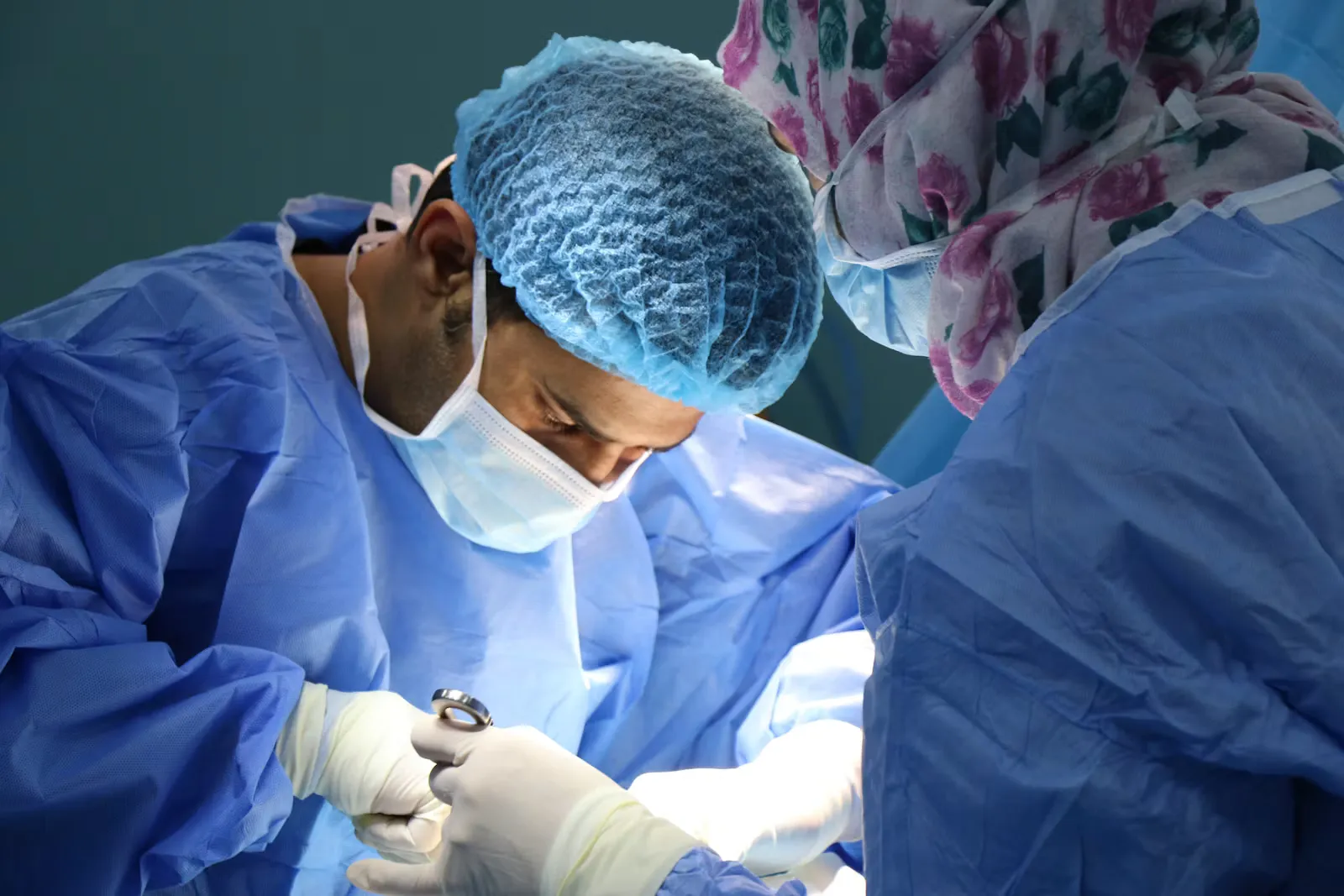
A dental doctor (also called a dentist) is a licensed healthcare professional who diagnoses, treats, and prevents diseases of the teeth, gums, and jaw, after completing a Bachelor of Dental Surgery (BDS) degree. If you want to become a dental doctor in India, the path runs through Class 12 with Physics, Chemistry, and Biology, the NEET-UG entrance exam, five years of BDS study including a one-year internship, and an optional NEET-MDS specialization. India currently has 27,868 BDS seats and 6,823 MDS seats across 318 recognized dental colleges, according to Union Health Ministry data, making dentistry one of the country's largest health-education pipelines.
Key Takeaways
You need NEET-UG to enter a 5-year BDS program, and NEET-MDS if you want to specialize afterward with an MDS degree.
As of 19 March 2026, dental regulation in India shifted from the Dental Council of India (DCI) to the new National Dental Commission (NDC), which now runs dental education, accreditation, and the national dentist register through three boards.
India has 318 recognized dental colleges offering 27,868 BDS and 6,823 MDS seats, per Health Ministry data.
Fresh BDS graduates typically start around ₹3.5-5 lakh a year, rising sharply with specialization and private practice.
Career paths extend well beyond clinics, into hospital dentistry, academia, public health, research, and forensic dentistry.
What Is a Dental Doctor?
A dental doctor, or dentist, is a licensed oral-health specialist trained to diagnose, prevent, and treat conditions affecting the teeth, gums, jaw, and mouth. In India, dentists hold a BDS degree at minimum, and many pursue an MDS to specialize further in fields like oral surgery, orthodontics, or pediatric dentistry.
Beyond routine checkups and fillings, dentists manage gum disease, dental trauma, cosmetic concerns, and complex reconstructive work. Some focus purely on clinical practice, while others move into teaching, public health policy, or dental research.
How Do You Become a Dental Doctor in India?
Becoming a dental doctor in India takes a minimum of five to six years: two years of higher secondary science, one NEET-UG attempt, a five-year BDS program with a mandatory rotating internship, and, for specialists, three more years of MDS study after clearing NEET-MDS.
Complete Class 11-12 with Physics, Chemistry, and Biology (PCB), scoring at least 50% overall (40% for reserved categories).
Register for and clear NEET, the single entrance exam that governs BDS admission across India.
Secure a BDS seat through state or All-India counselling based on your NEET-UG rank.
Complete the four-year academic BDS curriculum plus the mandatory one-year rotating internship.
Register with your State Dental Council, which is transitioning to the NDC's national dentist register, to practice legally.
Optionally, clear NEET-MDS and complete a three-year MDS program to specialize further.
Starting NEET preparation early matters more than most students expect. Structured revision from Class 11 onward, built around the actual exam pattern, is what separates a comfortable BDS cutoff from a stressful last-minute scramble; futureMBBS's NEET preparation resources walk through exactly how to build that schedule.
What Are the Eligibility Criteria for BDS and MDS Admission?
BDS admission requires 10+2 with Physics, Chemistry, Biology, and English, a minimum of 50% marks (40% for SC/ST/OBC candidates), and a qualifying NEET-UG score. MDS admission requires a recognized BDS degree, a completed one-year internship, and a qualifying NEET-MDS score, since dental postgraduate seats are allotted purely on NEET-MDS rank.
BDS eligibility: 10+2 with PCB and English from a recognized board; a qualifying NEET-UG rank; admission through state or All-India counselling.
MDS eligibility: A BDS degree from a recognized, accredited dental college; a completed one-year internship; a qualifying NEET-MDS score.
Diploma and certificate courses: 10+2 with Biology as a core subject is usually sufficient, and these programs focus on practical skills like dental hygiene and chairside assisting rather than independent clinical practice.
What Changed With India's New National Dental Commission?
India's dental regulator changed dramatically in 2026. The National Dental Commission Act, 2023 (assented 11 August 2023) was notified on 19 March 2026, dissolving the Dental Council of India and repealing the Dentists Act, 1948, according to PRS Legislative Research's bill-tracking record.
The NDC operates through three specialized boards instead of one general council: the Undergraduate and Postgraduate Dental Education Board (UGPGDEB) sets curriculum and academic standards, the Dental Assessment and Rating Board (DARB) accredits and rates dental colleges, and the Ethics and Dental Registration Board (EDRB) handles professional conduct and runs the online national dentist register. Dr Sanjay Tewari was appointed the NDC's first chairperson as the transition got underway.
For anyone starting a BDS now, this means admissions, licensing renewals, and college accreditation ratings will increasingly run through NDC systems rather than the old DCI process. Existing dental licenses remain valid, but expect a new online national register and updated compliance rules as State Dental Councils are reorganized under the Act.
What Skills Does a Successful Dentist Need?
Clinical skill alone doesn't make a good dentist. Manual dexterity for precise procedures, sharp attention to detail for diagnosis, clear communication to explain treatment plans, empathy for anxious patients, and time-management to run a packed clinic schedule are the five skills that separate a competent dentist from an exceptional one.
Dentistry is also a people business. Patients arrive anxious more often than not, so the ability to explain a root canal or extraction calmly, without jargon, matters just as much as technical precision.
What Dental Specialties Can You Pursue?
Dentistry branches into several recognized MDS specialties after BDS: oral and maxillofacial surgery, orthodontics, pediatric dentistry, periodontics, prosthodontics, oral pathology, and public health dentistry. Each specialization typically adds three years of postgraduate study and opens doors to focused clinical, surgical, or academic roles that a general BDS degree alone does not offer.
Oral and maxillofacial surgery: Complex surgeries of the mouth, jaw, and face.
Orthodontics: Correcting misaligned teeth and jaws, often with braces or aligners.
Pediatric dentistry: Oral health care tailored to infants, children, and teenagers.
Periodontics: Treating gum disease and structures supporting the teeth.
Oral pathology: Diagnosing diseases affecting the mouth and surrounding tissue.
Public health dentistry: Community-level oral health education and policy work.
What Are the Career Options and Salary for Dentists in India?
Dental graduates aren't limited to running a clinic. Career paths include private practice, hospital dentistry, academia, public health administration, research, dental consulting, and forensic dentistry. Fresh BDS graduates typically start around ₹3.5-5 lakh annually, while experienced specialists in oral and maxillofacial surgery or prosthodontics can earn significantly more in private practice.
Hospital dentistry offers steadier hours and collaboration with other medical specialists, while academic dentistry combines teaching with research and patient care. Forensic dentistry, a smaller niche, uses dental records to support identification and criminal investigations, and public health dentistry lets graduates shape oral-health policy at a community or state level.
Many Indian students weigh MBBS against BDS around the same time, right when NEET results arrive. If you're considering an MBBS abroad instead of, or alongside, a dental career, futureMBBS's MBBS in Europe guidance and a free consultation can help you compare both paths before locking in an entrance-exam strategy. For focused NEET revision either way, NEETsheet offers structured practice material.
Frequently Asked Questions About Becoming a Dental Doctor
Related Topics
- Dental Doctor
- BDS Course
- NEET-MDS
- Dental Education India
- National Dental Commission
Related Articles
 Guides & Tips24 Aug 202615 min read
Erasmus Exchange for MBBS Students in Europe: 2026 Guide
An Erasmus exchange lets medical students in the EU study up to 24 months in another country, with no extra tuition and an EU grant of 225-674 EUR a month.
 Guides & Tips19 Aug 202613 min read
Education Remittance for MBBS in Europe: 2026 Rules
Planning an education remittance for MBBS in Europe? Check the LRS limit, the 5% TCS rule above Rs 10 lakh and the bank steps before you send any fees.
 Guides & Tips17 Aug 202613 min read
Apostille for MBBS in Europe 2026: Document Checklist
Getting an apostille for MBBS in Europe? Follow the exact MEA steps, the Rs 50 fee, nostrification rules and the timeline Indian students must start now.