Admissions
MBBS in Foreign Countries: 2026 Eligibility & Costs
23 Sept 2026
7 min read
MBBS in foreign countries: real 2026 eligibility, NEET/FMGE rules and cost ranges for Indian students, with a focus on our 9 EU partner countries abroad


MBBS in Foreign Countries: 2026 Eligibility & Costs
MBBS in foreign countries means completing a 5-6 year medical degree outside India, usually at English-taught universities in our 9 EU partner countries, after clearing NEET-UG, which remains mandatory for every Indian applicant regardless of destination. Below you will find the eligibility rules, the NEET and FMGE steps, the admission process, and the cost ranges worth planning around before you pick a country.
Key Takeaways
- NEET-UG is mandatory for every Indian student pursuing MBBS in foreign countries, with no upper age limit since the National Medical Commission removed the previous 25/30-year cap in 2018.
- NEET-UG 2026 saw 22,09,318 candidates register and 11,21,185 qualify, against the NMC's 2026 seat matrix of just 1,36,939 total MBBS seats in India. That shortfall is the core reason so many qualified students still look abroad.
- Every foreign medical graduate must clear the FMGE (soon transitioning to the two-part NExT-1/NExT-2 exam) before practising in India; NBEMS reported roughly a 12.4% pass rate for the June 2026 FMGE cycle.
- Tuition and living costs for MBBS in foreign countries vary enormously by destination; our 9 EU partner countries typically run €8,000-25,000/year in tuition, well below many non-EU or Western options.
- futureMBBS focuses admissions support on our 9 EU partner countries and 22 partner universities, where degree recognition and the application process are directly verified.
Become a global doctor with MBBS abroad!
Studying MBBS in foreign countries can be affordable and stress-free with futureMBBS:
- English-taught programs at 22 partner universities across 9 EU countries
- On-site support in partner university cities
- Guidance on placements and clinical rotations for hands-on experience
From selecting universities and supporting your application to orientation and accommodation, we are at your side.
Book a free consultation Explore our EU partner universities
Why Do Indian Students Choose MBBS in Foreign Countries?
Limited government MBBS seats relative to NEET-UG registrations is the single biggest driver of MBBS-abroad interest. NEET-UG 2026 registered 22,09,318 candidates, of whom 11,21,185 qualified, competing for the NMC's 2026 seat matrix of 1,36,939 total MBBS seats (63,296 government), per NTA and NMC figures. That gap between qualified candidates and available government seats, plus private college fees in India often running ₹15-50 lakh per year, pushes many qualified students to consider MBBS in foreign countries instead.
What Documents Are Required for MBBS Abroad Admission?
Most universities request a broadly similar document set, though exact requirements vary by country and institution:
- Birth certificate
- Class 10 and Class 12 mark sheets
- School leaving/migration certificate
- NEET-UG scorecard
- Statement of purpose and letter of recommendation
- Passport (valid for the required minimum period)
- Medical fitness certificate
- Passport-size photographs
How Does MBBS Abroad Compare to MBBS in India?
Both MBBS in India and MBBS in foreign countries now require NEET-UG, but the two paths differ in seat availability, degree duration and the licensing step required afterward.
| Criteria | MBBS in India | MBBS in our EU partner countries |
|---|---|---|
| NEET-UG requirement | Mandatory | Mandatory |
| Program duration | 5.5 years (4.5 academic + 1-year internship) | Typically 5-6 years |
| Approx. annual tuition (private, India) vs. EU | ₹15-50 lakh (private) | Roughly €8,000-25,000 (~₹9-30 lakh) |
| Licensing to practise in India | Automatic on completing internship and NMC registration | Must additionally clear FMGE/NExT |
| English-medium instruction | Not applicable (English used throughout) | Standard at nearly all partner universities |
Fees at Indian private colleges and at foreign universities both move around a lot. Treat the ranges above as indicative and confirm current figures with each institution.
Is NEET Required for MBBS in Foreign Countries?
Yes, without exception. Every Indian citizen pursuing MBBS in a foreign country has needed a qualifying NEET-UG score since 2018, and there is no age cap or country-specific carve-out. Some destination countries additionally require their own English-proficiency test (IELTS/TOEFL) or, less commonly, a university-specific science entrance test, but none of this replaces the NEET-UG requirement.
Is MBBS from a Foreign Country Valid in India?
Yes, provided the university and course meet NMC's Foreign Medical Graduate Licentiate (FMGL) Regulations, 2021 criteria. But validity to practise in India also requires passing India's own screening exam. Every foreign medical graduate must clear the Foreign Medical Graduate Examination (FMGE), which is in the process of transitioning to the two-part National Exit Test (NExT-1 theory, NExT-2 practical), before registering with the NMC. The National Board of Examinations reported roughly a 12.4% pass rate for the June 2026 FMGE cycle, underlining why exam preparation matters as much as choosing the right university.
What Career Options Exist After MBBS Abroad?
Graduates of MBBS in foreign countries can pursue further postgraduate specialisation in India through NEET-PG/NEET-SS after clearing FMGE/NExT, or pursue local licensing pathways depending on the destination country's own rules. Common paths include:
- Junior doctor/duty doctor roles, typically the first step after graduation and internship.
- Postgraduate specialisation (MD/MS/DM/MCh) via NEET-PG and NEET-SS after returning to India.
- Hospital administration or healthcare management, often paired with an additional management qualification.
- Medical education and research, teaching at medical colleges or contributing to clinical research.
- Public health and health informatics, applying clinical training to population health or health-data roles.
Pay varies enormously by sector, country, and experience level. Treat any salary figure you find online as a rough estimate, not an official wage survey.
Why Do Our 9 EU Partner Countries Make Sense for MBBS Abroad?
Among the many foreign countries where MBBS is offered, our 9 EU partner countries (Czech Republic, Hungary, Slovakia, Poland, Croatia, Latvia, Lithuania, Cyprus and Romania) combine EU-wide degree recognition under Directive 2005/36/EC, established English-taught curricula, and tuition typically well below Western Europe, the US, UK or Gulf destinations. See our complete MBBS in Europe guide for a full country-by-country breakdown of fees and eligibility, or book a free consultation to compare options against your NEET-UG score.
If you're still preparing for NEET-UG itself, our sister platform NEETsheet and our own NEET preparation guide cover exam strategy in depth.
Frequently Asked Questions
What are the eligibility criteria for Indian students to pursue MBBS in foreign countries?
Students must be at least 17 by 31 December of the admission year (no upper age limit since 2018), hold a Class 12 certificate with at least 50% in Physics, Chemistry and Biology, and qualify NEET-UG. Additional country-specific requirements, such as English proficiency tests, may also apply.
Which countries does futureMBBS support for MBBS abroad?
futureMBBS focuses admissions support on our 9 EU partner countries: Czech Republic, Hungary, Slovakia, Poland, Croatia, Latvia, Lithuania, Cyprus and Romania, across 22 partner universities with verified degree recognition and application processes.
How does MBBS abroad compare to MBBS in India?
Both require NEET-UG. MBBS in India runs 5.5 years including a 1-year internship, while MBBS abroad typically runs 5-6 years. Graduates of foreign degrees must additionally clear FMGE/NExT to practise in India, which Indian-trained graduates do not need.
What is the admission process for MBBS abroad?
Shortlist a university, confirm its eligibility criteria, qualify NEET-UG, clear any required English test, submit your application and documents, receive your offer letter, and apply for a student visa before travelling.
Is NEET compulsory for MBBS in foreign countries?
Yes, without exception, for every Indian citizen since 2018, regardless of age or destination country.
Sources
- National Testing Agency, NEET-UG official site: https://neet.nta.nic.in/
- National Medical Commission, official portal: https://www.nmc.org.in/
- National Board of Examinations (FMGE results), official portal: https://natboard.edu.in/
- World Directory of Medical Schools (WDOMS): https://search.wdoms.org/
Related Topics
- MBBS in foreign countries
- MBBS abroad
- MBBS abroad eligibility
- futureMBBS
- Indian students
Related Articles
 Admissions23 Sept 20268 min read
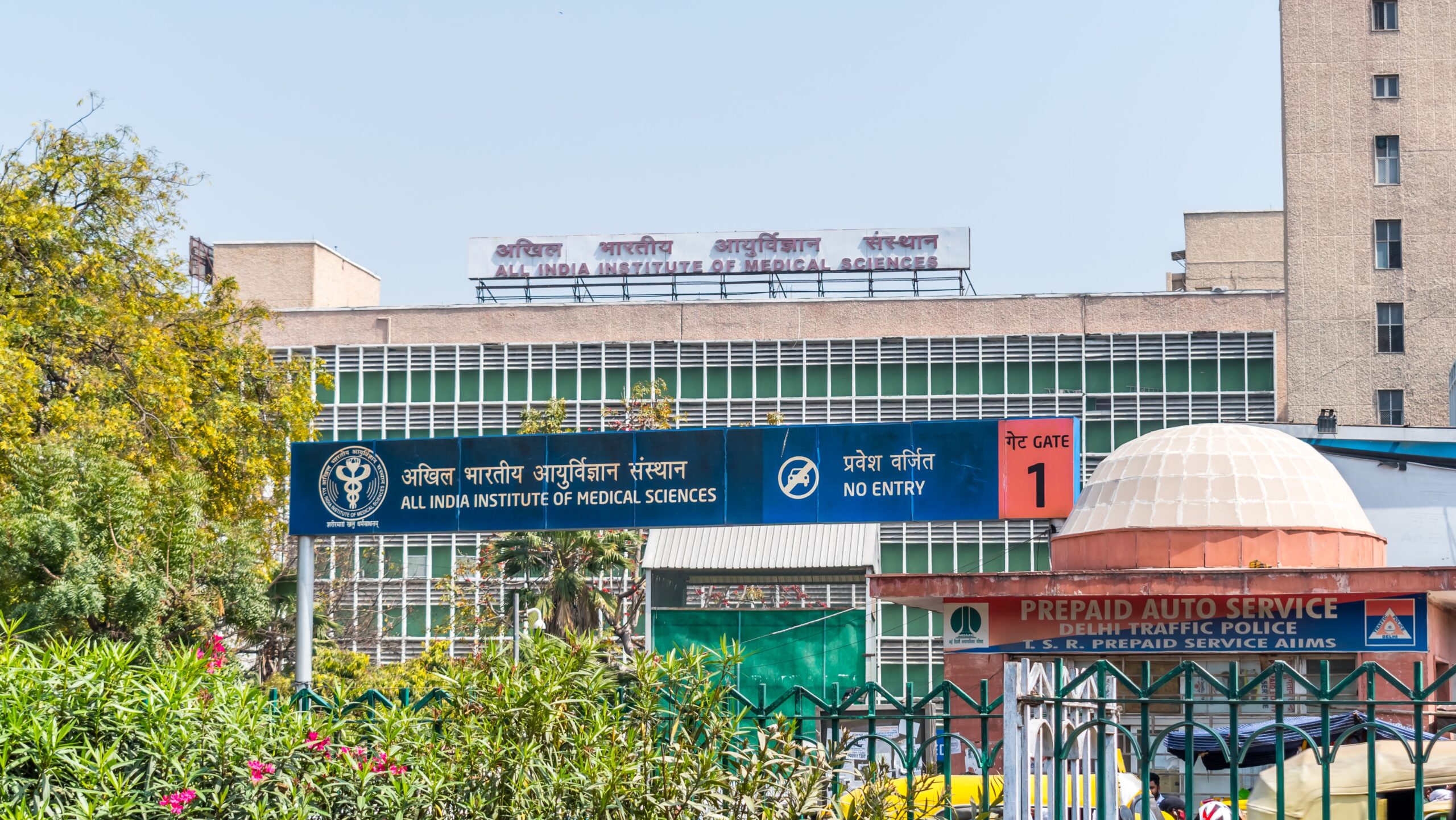
AIIMS Exam 2026 Guide: Eligibility, Dates and Admission
The separate AIIMS exam ended in 2020. This AIIMS exam guide covers NEET-UG eligibility, cutoffs, MCC counselling steps, and the current list of AIIMS colleges.
 Admissions23 Sept 20269 min read
Assam Medical College Dibrugarh: Complete MBBS guide
Assam Medical College Dibrugarh: NMC-recognised, WDOMS-listed government college with NEET UG-based MBBS admission, fees, eligibility and campus facts.
 Admissions23 Sept 20268 min read
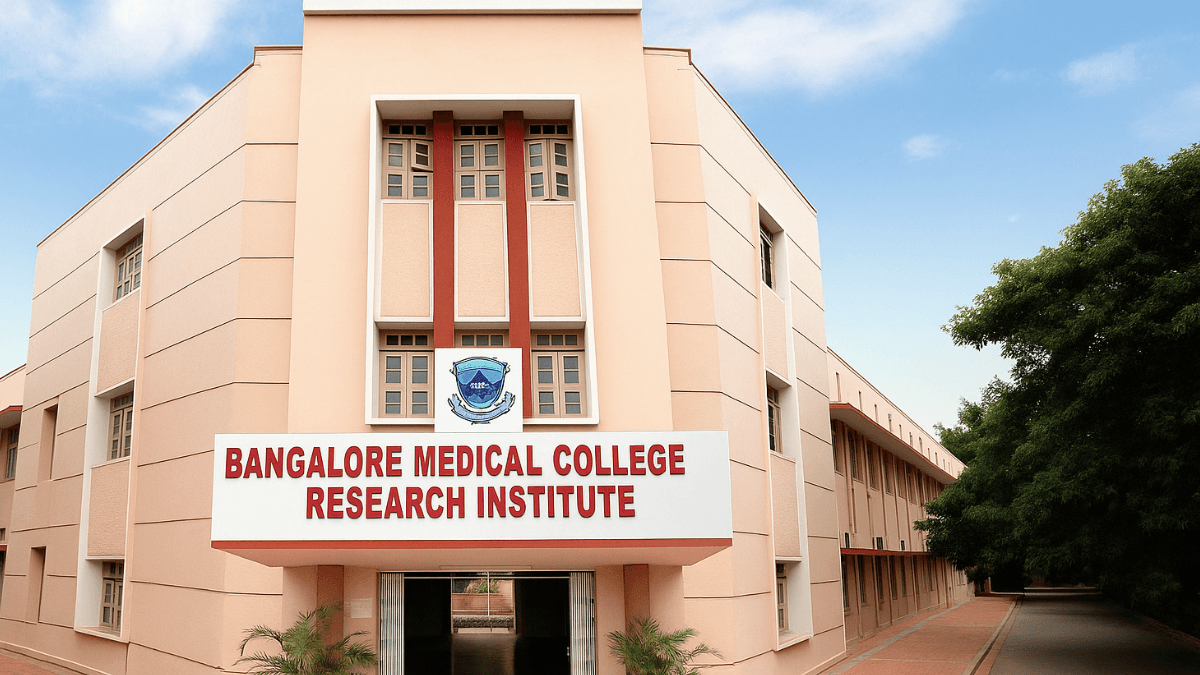
Bangalore Medical College: Fees & NEET Cutoff 2026
Bangalore Medical College and Research Institute (BMCRI): verified MBBS fees, NEET cutoff trends, eligibility, admission steps, and ranking facts for 2026.