Guides & Tips
How to Become a Forensic Doctor in India (2026 Guide)
4 Aug 2026
7 min read
Learn how to become a forensic doctor in India: MD Forensic Medicine via NEET-PG, NMC rules, B.Sc/M.Sc pathways, careers, and real salary data for 2026.
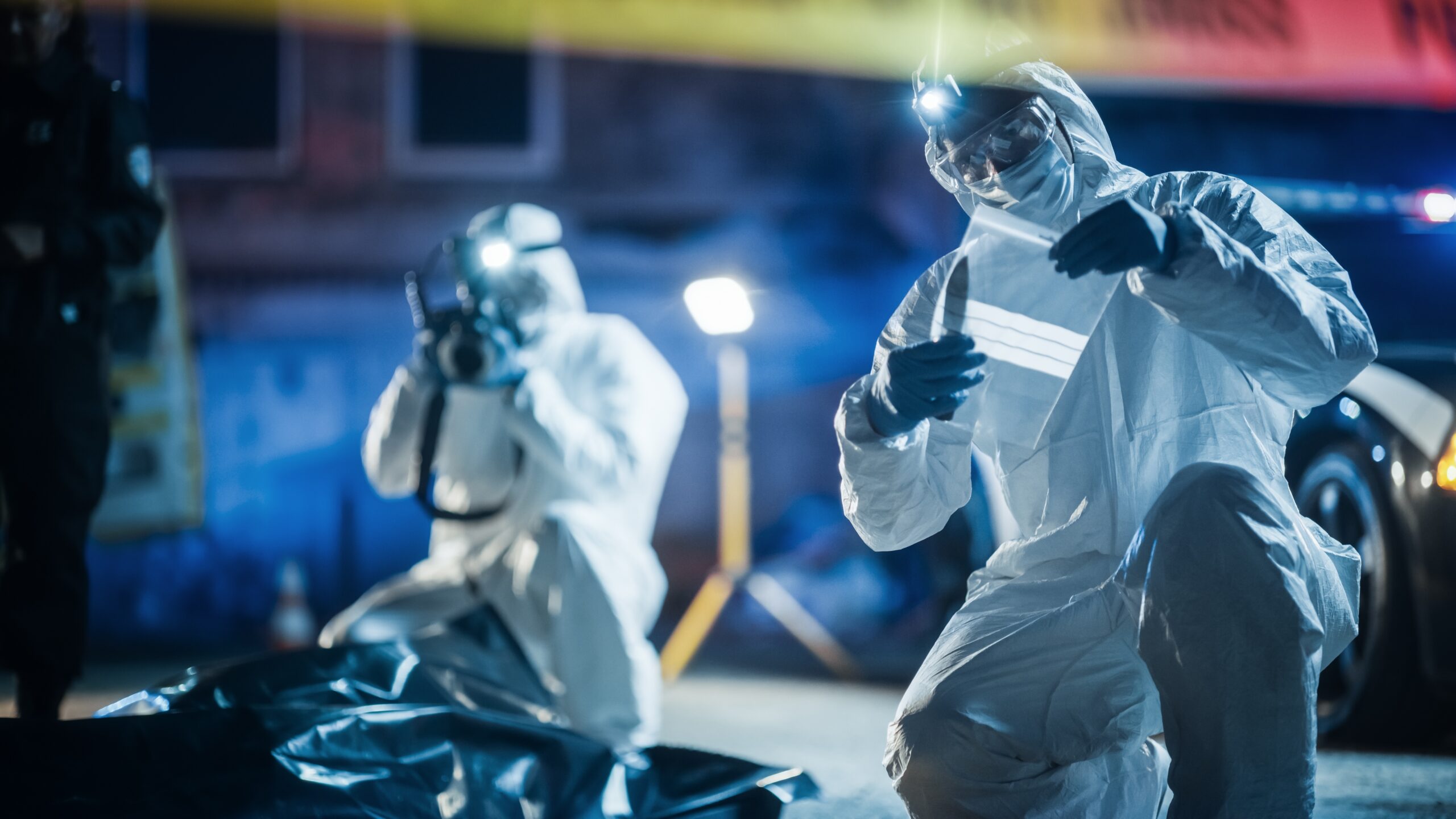
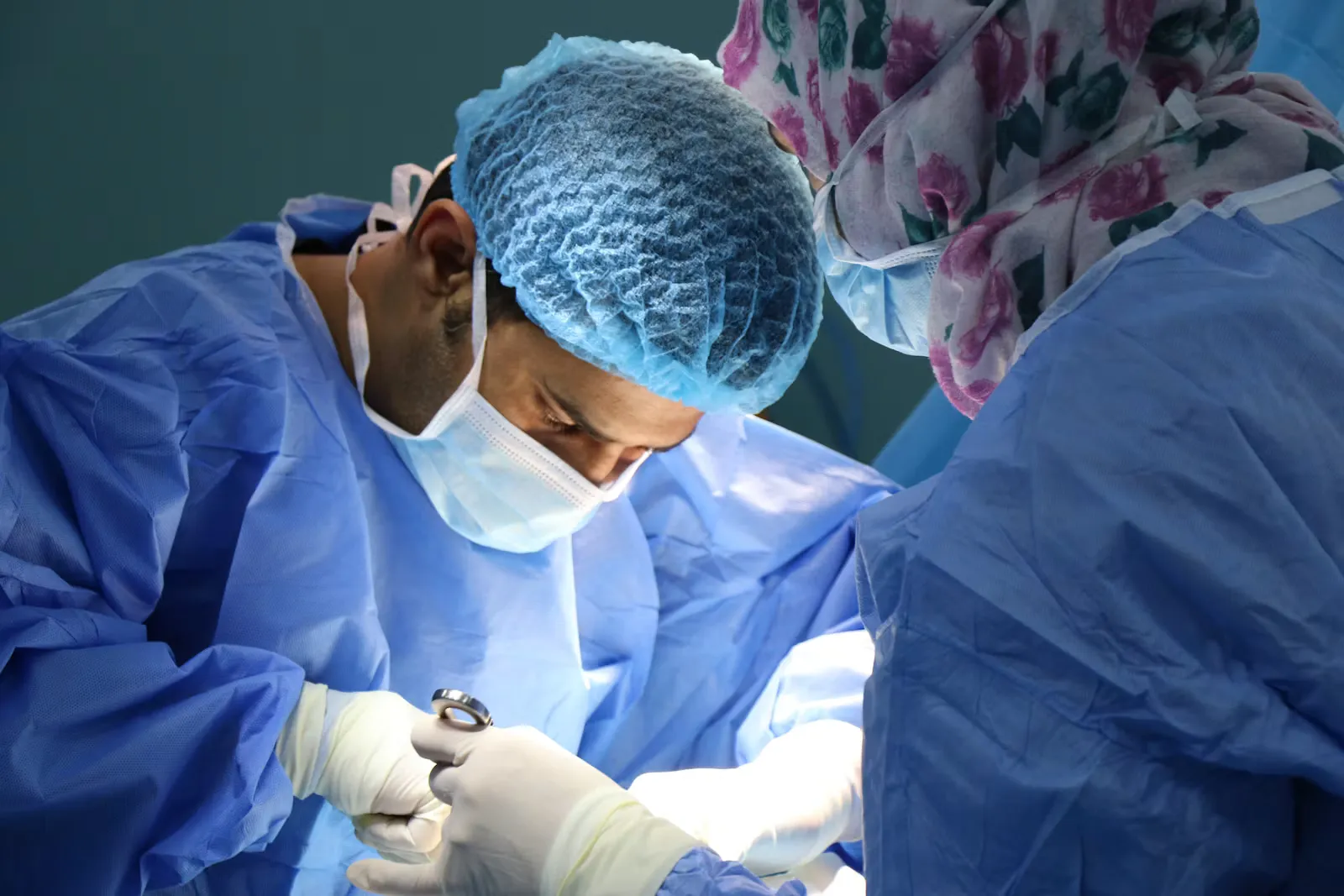
A forensic doctor is a medical professional who applies clinical and pathological knowledge to legal questions, most commonly by performing medico-legal autopsies and testifying in court. In India, the qualification is an MD in Forensic Medicine, earned after MBBS and a NEET-PG entrance exam, and it's regulated by the National Medical Commission (NMC), not by a separate forensic council. A related but different route, the non-medical B.Sc/M.Sc in Forensic Science, trains crime-scene and lab analysts instead.
Key Takeaways
A forensic doctor (MD Forensic Medicine) must first complete MBBS and clear NEET-PG; the degree and the medical registration are both regulated by the National Medical Commission (NMC), not a separate forensic body.
NEET-PG 2025 required at least a 50th-percentile score for general-category candidates, 45th for UR-PWD, and 40th for SC/ST/OBC candidates just to be eligible for counselling, per NMC's Postgraduate Medical Education Regulations.
The non-medical B.Sc/M.Sc Forensic Science route (crime-scene and lab analyst work) is a university science degree, not a medical qualification, and sits outside NMC's jurisdiction entirely.
India's dedicated forensic-science institution, the National Forensic Sciences University (NFSU), Gandhinagar, was made an Institution of National Importance by a 2020 Act of Parliament.
Government MD Forensic Medicine consultants typically earn in the ₹8,00,000–₹10,00,000 a year range, with private-sector and expert-witness work adding to that.

What Is a Forensic Doctor and Who Regulates the Qualification?
A forensic doctor examines injuries, determines cause of death, and presents medical evidence in criminal and civil cases. In India this specific title belongs to MD Forensic Medicine holders, whose MBBS degree and postgraduate registration are both governed by the NMC under the Postgraduate Medical Education Regulations, 2023. The separate, non-medical forensic-science stream (B.Sc/M.Sc/PhD) is regulated instead by UGC-affiliated universities and institutions like NFSU, not by the NMC.
This distinction matters because job titles overlap in everyday use. A "forensic expert" doing DNA or ballistics analysis in a state forensic science laboratory is a scientist with a B.Sc/M.Sc background, while the doctor who performs the post-mortem and signs the medico-legal report is an MBBS graduate with an MD in Forensic Medicine. Both are essential to an investigation, but only the second is a "forensic doctor" in the medical-registration sense, and only the second requires NMC-recognised MBBS plus NEET-PG.
Forensic Doctor Course Overview
Particulars | MD Forensic Medicine (medical route) | B.Sc/M.Sc Forensic Science (science route) |
|---|---|---|
Entry qualification | MBBS + compulsory internship | Class 12 with Physics, Chemistry, Biology |
Entrance exam | NEET-PG | University-specific or CUET, depending on the institute |
Duration | 3 years (MD) | 3 years (B.Sc) + 2 years (M.Sc) |
Regulator | National Medical Commission (NMC) | UGC-affiliated universities / NFSU |
Typical employers | Government medical colleges, state forensic medicine departments, hospitals, courts | State forensic science laboratories, CBI, police departments, private labs |
Typical starting salary | ₹6,00,000–₹8,00,000 a year (junior resident/consultant grade) | ₹3,00,000–₹6,00,000 a year (lab analyst grade) |
How Do You Become a Forensic Doctor in India?
Becoming a forensic doctor through the medical route follows a fixed sequence set by NMC regulations. Here's the path step by step:
Complete Class 12 with Physics, Chemistry, and Biology, and qualify NEET-UG.
Complete an MBBS degree (4.5 years plus a 1-year compulsory rotating internship) from an NMC-recognised medical college.
Register provisionally or permanently with the NMC or a State Medical Council.
Appear for NEET-PG and clear the minimum qualifying percentile for your category.
Complete a 3-year MD in Forensic Medicine at a recognised medical college.
Register the postgraduate qualification with the NMC/State Medical Council to practise and sign medico-legal reports.
If you'd rather pursue the non-medical forensic-science route instead of the MBBS pathway, the sequence is different: Class 12 science, a 3-year B.Sc in Forensic Science, then an optional 2-year M.Sc and PhD at a university such as NFSU. This route leads to lab, ballistics, or crime-scene roles rather than the medico-legal "doctor" designation.
What Does a Forensic Doctor Actually Do?
Day to day, a forensic doctor's job centres on determining cause and manner of death and translating medical findings into evidence courts can use. Typical responsibilities include:
Conducting medico-legal autopsies to establish cause, time, and manner of death.
Examining injuries on living victims for age-estimation and assault/rape case reports.
Collecting and documenting biological evidence for toxicology and DNA testing.
Preparing detailed medico-legal reports and testifying as an expert witness in court.
Consulting with police, forensic science laboratories, and prosecutors during investigations.
Specializations Within Forensic Medicine and Forensic Science
Once qualified, forensic professionals typically specialise further. Common tracks include:
Forensic pathology – autopsies and cause-of-death determination (an MD Forensic Medicine specialisation).
Forensic toxicology – detecting drugs, poisons, and alcohol in body fluids.
DNA analysis and serology – identity and paternity testing, most often a B.Sc/M.Sc track.
Forensic odontology – identifying remains and bite marks using dental records.
Digital and cyber forensics – recovering and analysing electronic evidence.
Ballistics and firearms examination – matching weapons, bullets, and trajectories to a crime scene.
Where Can You Study Forensic Medicine in India?
Government medical colleges offering MD Forensic Medicine include JIPMER Puducherry, Madras Medical College, Government Medical College Nagpur, and Grant Medical College Mumbai, admitted through NEET-PG counselling under All India or state quotas. On the science side, the National Forensic Sciences University (NFSU), Gandhinagar — established as India's first dedicated forensic-sciences university and declared an Institution of National Importance under a 2020 Act of Parliament — runs B.Sc, M.Sc, and PhD programmes across eight schools, alongside institutes like Kasturba Medical College Manipal and Sri Ramachandra Institute of Higher Education and Research.
What Is the Salary of a Forensic Doctor in India?
Pay depends heavily on whether you take the medical or the science route, and on government versus private employment. Junior residents in MD Forensic Medicine typically start around ₹6,00,000–₹8,00,000 a year, rising to ₹8,00,000–₹10,00,000 for consultant-grade government positions, with additional income from expert-witness fees and private practice. Forensic science graduates working as lab analysts in state forensic science laboratories or with the CBI generally start lower, in the ₹3,00,000–₹6,00,000 range, with steady growth as they gain casework experience.
Related Topics
- forensic doctor
- MD Forensic Medicine
- futureMBBS
- NEET PG
- forensic science
Related Articles
 Guides & Tips24 Aug 202615 min read
Erasmus Exchange for MBBS Students in Europe: 2026 Guide
An Erasmus exchange lets medical students in the EU study up to 24 months in another country, with no extra tuition and an EU grant of 225-674 EUR a month.
 Guides & Tips19 Aug 202613 min read
Education Remittance for MBBS in Europe: 2026 Rules
Planning an education remittance for MBBS in Europe? Check the LRS limit, the 5% TCS rule above Rs 10 lakh and the bank steps before you send any fees.
 Guides & Tips17 Aug 202613 min read
Apostille for MBBS in Europe 2026: Document Checklist
Getting an apostille for MBBS in Europe? Follow the exact MEA steps, the Rs 50 fee, nostrification rules and the timeline Indian students must start now.