NEET
Kyrgyz Russian Slavic University MBBS: An Honest 2026 Guide
23 Sept 2026
8 min read
Kyrgyz Russian Slavic University in Bishkek: recognition, fees and FMGE facts for 2026, plus why futureMBBS places students in 9 EU countries instead.

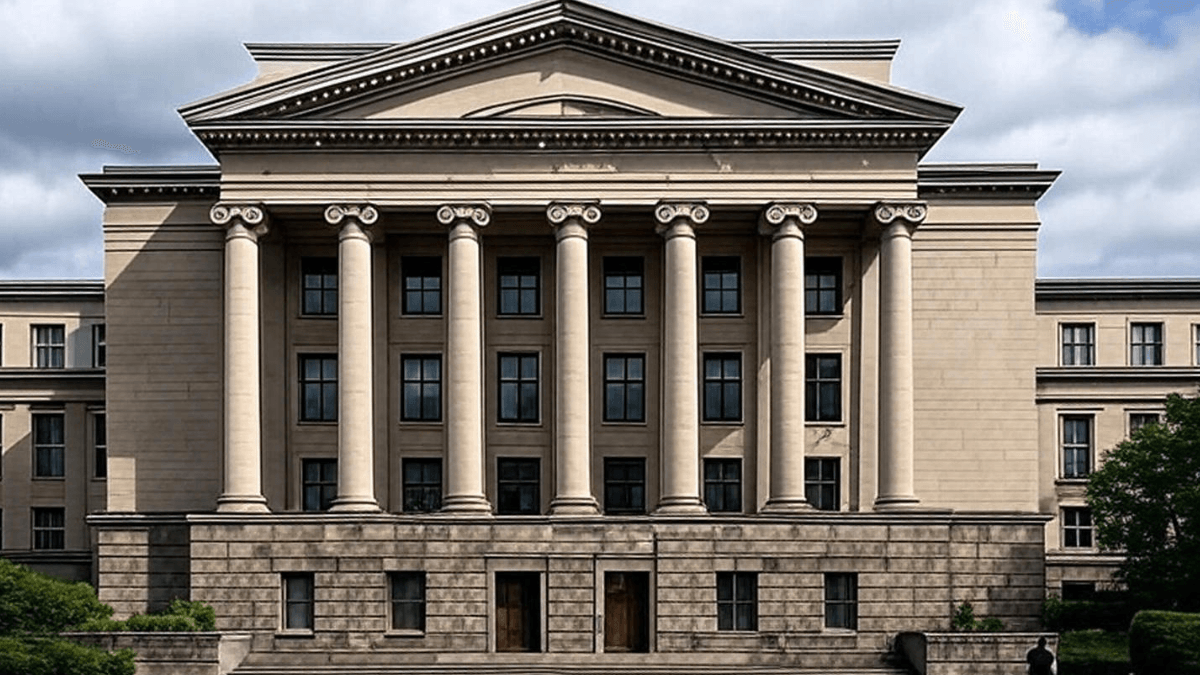
Kyrgyz Russian Slavic University is a public university in Bishkek, Kyrgyzstan, founded in 1993 under a bilateral treaty between Russia and Kyrgyzstan, whose Faculty of Medicine, established in 1994, runs a 6-year MBBS-equivalent programme across 30 departments. Kyrgyzstan is not one of the 9 EU countries futureMBBS places students into, so this guide covers Kyrgyz Russian Slavic University honestly, on its history, recognition status, fees and outcomes, rather than presenting it as a service we offer.
Key Takeaways
- Kyrgyz Russian Slavic University was founded in 1993 under a Kyrgyz-Russian friendship treaty, and its Faculty of Medicine, established in 1994, now spans 30 specialised departments with around 390 lecturers.
- Kyrgyzstan sits outside futureMBBS's 9 EU partner countries (Czech Republic, Hungary, Slovakia, Poland, Croatia, Latvia, Lithuania, Cyprus, Romania); this article is informational, not a placement offer.
- Consultancy pages quote annual MBBS tuition around $3,318 (roughly INR 2.9-4.5 lakh), with a full 6-year cost commonly estimated at INR 21.5-25 lakh depending on lifestyle and exchange rates; confirm any figure against the university's current fee schedule before committing.
- Recognition depends on this specific university's World Directory of Medical Schools (WDOMS) listing under NMC's FMGL 2021 rules, not a country-wide approval or a WHO endorsement, which the WHO itself does not issue for medical schools.
- English-medium teaching commonly narrows once clinical rotations begin, since Kyrgyz Russian Slavic University's teaching hospitals and much of the surrounding academic culture operate in Russian, a pattern common across the region's Russian-affiliated universities.
What Is Kyrgyz Russian Slavic University?
Kyrgyz Russian Slavic University is a public university in Bishkek, the capital of Kyrgyzstan, founded in 1993 under a Treaty of Friendship, Cooperation and Mutual Assistance between the Kyrgyz Republic and the Russian Federation. Its Faculty of Medicine was established a year later, in 1994, and now runs across 30 specialised departments with around 390 lecturers, alongside faculties in engineering, law and other disciplines. The university's close association with Russia shapes its curriculum, staffing and academic culture, distinct from Kyrgyzstan's other, more locally focused institutions.
The Faculty of Medicine's flagship 6-year General Medicine programme mirrors the structure common to Russian-affiliated medical schools across Central Asia: several years of foundational science followed by clinical rotations in local teaching hospitals. Early coursework is commonly delivered in English, but as with most Russian-curriculum universities in the region, the language of instruction shifts substantially toward Russian once clinical years begin, since patients in Bishkek's teaching hospitals are predominantly Russian- or Kyrgyz-speaking.
Is Kyrgyz Russian Slavic University Recognised by NMC and WDOMS?
Recognition for any foreign medical university is decided institution-by-institution, not country-by-country: a specific university must appear on the World Directory of Medical Schools (WDOMS), maintained jointly by the World Federation for Medical Education (WFME) and FAIMER, for its graduates to be eligible to sit India's FMGE screening test. Consultancy sites describe Kyrgyz Russian Slavic University as NMC-approved and WDOMS-listed, but futureMBBS has not independently re-verified that listing against the live database this session, so confirm it yourself at wdoms.org before relying on it.
Several consultancy pages also describe the programme as "WHO approved." That framing is outdated: the World Health Organization does not operate a medical-school directory or approval process itself. The operative authority is WFME/FAIMER's WDOMS, and it is that listing, not a WHO stamp, that NMC's Foreign Medical Graduate Licentiate (FMGL) Regulations, 2021 actually require.
How Much Does Kyrgyz Russian Slavic University Actually Cost?
Consultancy sources quote annual MBBS tuition at roughly $3,318, translating to approximately INR 2.9-4.5 lakh a year depending on the exchange rate quoted, plus hostel charges of around INR 49,800 annually and medical insurance or visa-renewal costs of roughly INR 10,000-15,000 a year. Adding a one-time first-year admission and documentation fee of about INR 30,000-45,000, the commonly cited full 6-year cost lands around INR 21.5-25 lakh, though currency movement and annual fee revisions mean any such figure should be confirmed directly against the university's current fee schedule before you commit.
How Do FMGE Outcomes Compare for Region-Trained Graduates?
We could not find a Kyrgyz Russian Slavic University-specific FMGE pass rate from an authoritative source this session. For comparison, FMGE pass rates for graduates of Russian-curriculum universities across the wider region have historically run low: the National Board of Examinations' most recent published cycle, June 2026, recorded a nationwide pass rate of just 12.77% (4,635 of 36,300 candidates), down from 23.9% in the January 2026 cycle, per natboard.edu.in. A country-wide average from a different country is not a substitute for this specific university's own outcome data; request Kyrgyz Russian Slavic University's own multi-year FMGE results directly before relying on any consultancy's claimed figure.
Does futureMBBS Place Students at Kyrgyz Russian Slavic University?
No. futureMBBS's placement network is limited to 9 EU countries, Czech Republic, Hungary, Slovakia, Poland, Croatia, Latvia, Lithuania, Cyprus and Romania, across 22 partner universities, and Kyrgyzstan is not among them. We do not provide admission support, on-the-ground assistance, or vetted placement at Kyrgyz Russian Slavic University or any other Kyrgyz institution.
This guide exists because search demand for Kyrgyz Russian Slavic University is real, not because we are recommending it. If you are weighing Kyrgyzstan against an EU option, see how the same recognition and outcome questions play out for an EU partner university in our MBBS abroad guide.
What Should You Check Before Considering Kyrgyz Russian Slavic University?
If you are still weighing Kyrgyz Russian Slavic University against other options, work through the same checklist futureMBBS uses internally before evaluating any non-partner university.
- Confirm Kyrgyz Russian Slavic University's current listing at wdoms.org rather than trusting a consultancy's static claim.
- Ask what share of the 6-year course, especially the clinical years, is genuinely taught in English versus Russian or Kyrgyz.
- Request the university's own FMGE pass-rate data for the last 2-3 sessions, not a regional or country-wide average from elsewhere.
- Compare the university against other Russian-affiliated regional options, such as our coverage of Semey State Medical University in Kazakhstan, before assuming any single university is uniquely affordable.
- Obtain your NMC Eligibility Certificate before enrolling, a requirement for every Indian student pursuing a foreign medical degree, regardless of country.
Why Do futureMBBS's 9 EU Countries Make a Stronger Alternative?
For students who want an English-medium MBBS-equivalent degree, consistent clinical-year instruction, and an active, vetted support pathway, futureMBBS's 9 EU countries, rather than Kyrgyzstan, are what we actively place students into. Every partner university sits inside an EU member state, so oversight runs through that country's own higher-education and medical-accreditation authorities rather than resting on a WDOMS listing a consultancy may not have re-verified. See our guide to studying MBBS in Hungary for how that plays out for one EU partner country, or read the full disadvantages of studying MBBS in Russia for how similar Russian-curriculum concerns apply more broadly across this region.
Related Topics
- Kyrgyz Russian Slavic University
- MBBS in Kyrgyzstan
- NMC recognition
- FMGE
- futureMBBS
Related Articles
 NEET23 Sept 20266 min read
MBBS in Hungary: Fees, Top Universities & Admission 2026
MBBS in Hungary 2026: real tuition fees at Semmelweis, Debrecen and Pécs, NEET-UG eligibility, six-year duration, and how the degree is recognised in India.
 NEET23 Sept 20266 min read
MBBS in Romania 2026: Fees, Top Universities & Eligibility
MBBS in Romania 2026: real tuition at Carol Davila, Iuliu Hațieganu Cluj and Victor Babeș Timișoara, NEET-UG eligibility, six-year duration and EU recognition.
 NEET23 Sept 20267 min read
NEETsheet: Making NEET Preparation Affordable in India
NEETsheet is making NEET preparation affordable in India: complete online courses from just ₹99, with mock tests, PYQs, and performance analytics for NEET UG.