Countries
How to Become an Anesthesia Doctor in India: Full Guide
3 Aug 2026
9 min read
How to become an anesthesia doctor in India: NEET-UG, MBBS, NEET-PG and MD/DNB Anaesthesiology explained, with duration, eligibility and real career prospects.


How to Become an Anesthesia Doctor in India: The Complete Path
Becoming an anesthesia doctor in India means clearing NEET-UG for an MBBS seat, completing the 5.5-year MBBS course including a mandatory internship, then qualifying NEET-PG for a 3-year MD or DNB in Anaesthesiology. An anesthesia doctor, also called an anesthesiologist, is a physician who manages sedation, pain relief and vital-sign monitoring before, during and after surgery. The need for more of these specialists is real and measurable: India has just 1.27 anaesthesia care providers per 100,000 people, far short of the 5 per 100,000 that the World Federation of Societies of Anaesthesiologists (WFSA) recommends as a safe minimum. This guide walks through the real, current pathway, the entrance exams at each stage, and what to expect from training, subspecialties and practice.
Key Takeaways
The direct route is NEET-UG, then MBBS (5.5 years including internship), then NEET-PG, then MD or DNB Anaesthesiology (3 years): a minimum of 8.5 years of study after Class 12.
India has just 1.27 anaesthesia care providers per 100,000 people, against the WFSA-recommended minimum of 5 per 100,000, per a 2024 study in Public Health Challenges.
DNB Anaesthesiology, awarded by the National Board of Examinations (NBE), is recognized as equivalent to MD Anaesthesiology for practice under the National Medical Commission Act's equivalence provisions.
Subspecialties include pediatric, cardiac, obstetric and neuroanesthesia, plus chronic pain management, each reachable through further fellowship training after MD/DNB.
Students who complete their MBBS abroad still follow the same India-side NEET-PG route to specialize in anaesthesiology after returning with an NMC-recognized degree.
How to Become an Anesthesia Doctor in India (Step-by-Step Path)
The path to becoming an anesthesia doctor runs through two linked national entrance exams and roughly 8.5 years of formal training after Class 12, following the exam structures published by the National Testing Agency (NTA) and the National Board of Examinations (NBE). Each stage below is a prerequisite for the next one.
Class 12 with Physics, Chemistry and Biology (PCB), then qualify NEET-UG, the mandatory national entrance test for every MBBS seat in India.
Complete the MBBS degree: 4.5 years of academic study plus a mandatory 1-year Compulsory Rotating Medical Internship (CRMI), a total of 5.5 years, per National Medical Commission (NMC) course-duration rules.
Qualify NEET-PG, conducted by the National Board of Examinations, and complete a 3-year MD or DNB in Anaesthesiology. A 2-year NBEMS Diploma in Anaesthesiology (DA) is also available as a shorter, non-equivalent route into the field.
Register with the NMC or your State Medical Council to practise as an anesthesia doctor.
Pursue fellowship training in a subspecialty such as pediatric, cardiac, obstetric or neuroanesthesia, or chronic pain management, if you want to specialize further.
How Long Does It Take to Become an Anesthesia Doctor?
Becoming an anesthesia doctor in India takes a minimum of 8.5 years after Class 12: 5.5 years for MBBS, including the compulsory internship, plus 3 years for an MD or DNB in Anaesthesiology. Many anesthesiologists add 1 to 2 more years of fellowship training in a subspecialty before starting independent practice.
Students who instead complete the shorter 2-year NBEMS Diploma in Anaesthesiology reach practice in about 7.5 years, though the diploma is a distinct, shorter qualification and is not treated as equivalent to MD or DNB for every purpose. Confirm current equivalence rules directly with the NBE before choosing between the two routes.
What Does an Anesthesia Doctor Do?
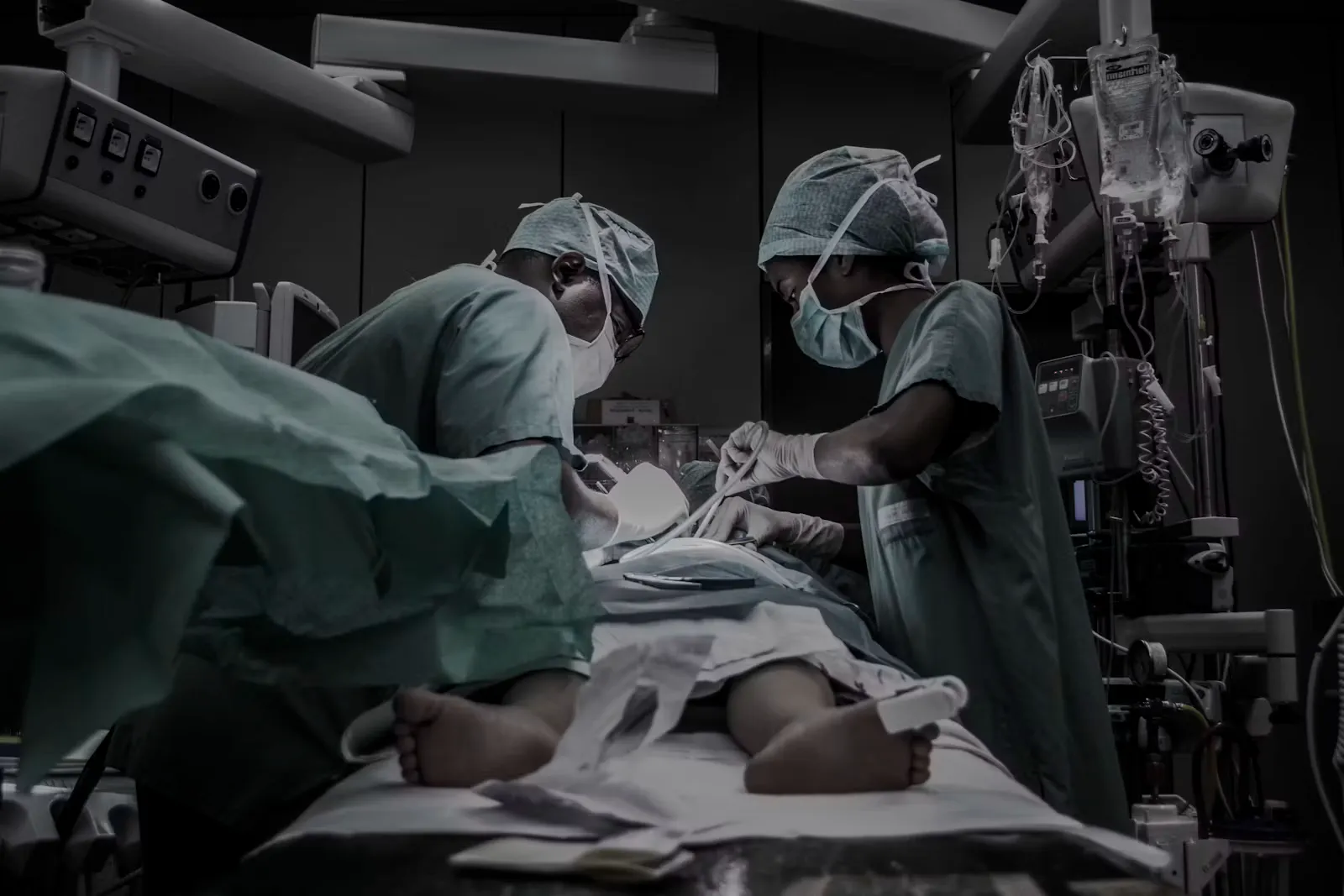
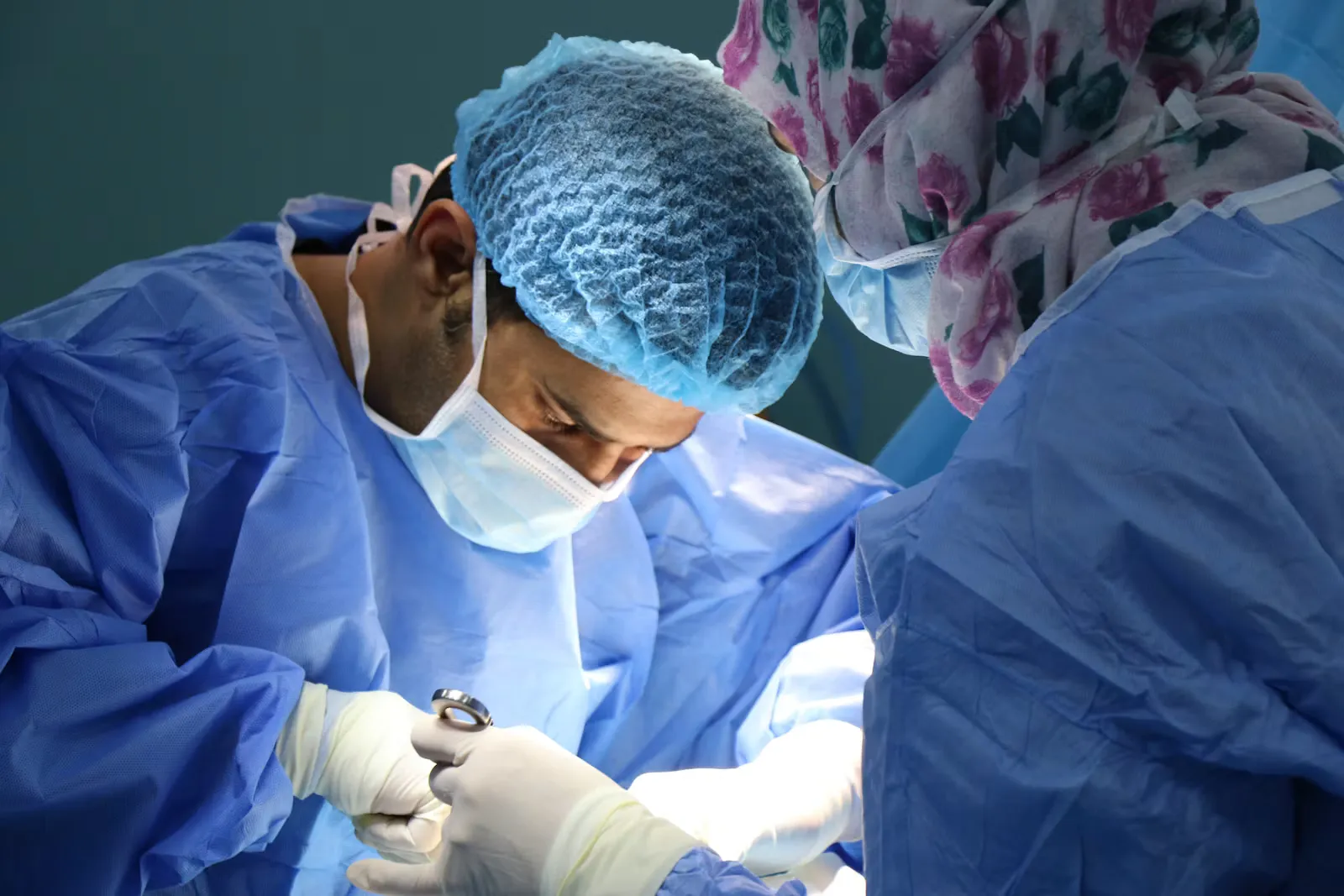
An anesthesia doctor manages three connected jobs during any procedure: putting the patient safely under general, regional or local anesthesia, keeping vital signs stable throughout surgery, and controlling pain during recovery. Anesthesiologists work across operating theatres, intensive care units, labor wards and pain clinics, adjusting drugs and monitoring equipment in real time as a patient's condition changes.
Core day-to-day responsibilities include:
Choosing and administering general, regional (spinal or epidural) or local anesthesia based on the procedure and the patient's health
Continuously monitoring heart rate, blood pressure, oxygen saturation and breathing during surgery
Running the preoperative assessment that decides which anesthesia technique is safe for a given patient
Managing acute and chronic pain through nerve blocks, epidural injections and medication
Overseeing recovery in the post-anesthesia care unit (PACU) until the patient is stable
After MD or DNB, anesthesiologists commonly specialize further in:
Pediatric anesthesia, for infants and children
Cardiac anesthesia, for heart surgery and high-risk cardiac patients
Obstetric anesthesia, for labor, delivery and C-sections
Neuroanesthesia, for brain and spinal cord surgery
Chronic pain management, for long-term pain conditions outside the operating room
What Is the Eligibility for NEET-UG and NEET-PG?
Each entrance exam on the way to becoming an anesthesia doctor has its own eligibility bar set by its conducting body, the National Testing Agency (NTA) for NEET-UG and the National Board of Examinations (NBE) for NEET-PG, and missing a requirement at either stage blocks progress to the next.
Stage | Conducting body | Core eligibility |
|---|---|---|
NEET-UG | National Testing Agency (NTA) | Class 12 with Physics, Chemistry, Biology; qualifying NEET-UG score for an MBBS seat |
MBBS | NMC-recognized medical college | 4.5-year academic course plus 1-year CRMI internship |
NEET-PG | National Board of Examinations (NBE) | MBBS degree plus completed internship; leads to MD/DNB Anaesthesiology or the 2-year Diploma (DA) |
Practice license | NMC or State Medical Council | Registration after MD, DNB or DA |
Because NBE periodically revises seat matrices and eligibility details for each NEET-PG cycle, confirm the exact current rules on the official NBE portal and NMC portal before planning your postgraduate subject choice.
MD, DNB or Diploma in Anaesthesiology: What Is the Difference?
An MD in Anaesthesiology is a 3-year university postgraduate degree, and a DNB in Anaesthesiology is the equivalent 3-year qualification awarded through the National Board of Examinations. A Diploma in Anaesthesiology (DA) is a separate, shorter 2-year NBEMS qualification that trains doctors for anesthesia practice without the full MD/DNB curriculum.
Qualification | Duration | Awarding body | Status |
|---|---|---|---|
MD Anaesthesiology | 3 years | University medical college | Postgraduate degree |
DNB Anaesthesiology (Broad Specialty) | 3 years | National Board of Examinations | Recognized as equivalent to MD for practice under the NMC Act's equivalence provisions |
Diploma in Anaesthesiology (DA) | 2 years | National Board of Examinations | Shorter postgraduate diploma, not equivalent to MD/DNB |
All three qualifications require clearing NEET-PG first. Most aspiring anesthesia doctors pursue the 3-year MD or DNB route because it keeps the widest range of hospital and academic roles open.
Why Is Demand for Anesthesia Doctors Growing?
India's anesthesia workforce is thin relative to global safety benchmarks, and that gap is the main driver of long-term demand for anesthesia doctors. A 2024 study in Public Health Challenges puts India's ratio at just 1.27 anaesthesia care providers per 100,000 people, well below the 5 per 100,000 that the World Federation of Societies of Anaesthesiologists (WFSA) recommends as a safe minimum for a population.
The gap matters at the policy level, too. In 2015, the World Health Assembly adopted resolution WHA68.15, formally recognizing safe, affordable surgical and anesthesia care as a component of universal health coverage worldwide. As India's hospital and surgical capacity keeps expanding, particularly outside major metros, the shortage of qualified anesthesia doctors relative to demand is expected to keep this specialty competitive to enter but strong in long-term career security.
Should You Study MBBS Abroad Before Specializing in Anesthesiology?
Where you complete your MBBS does not change the India-side path to becoming an anesthesia doctor: you still need to clear NEET-PG and complete an MD or DNB in Anaesthesiology afterward. What matters if you study abroad is that your medical degree comes from an NMC-eligible, WHO-listed institution, so you can register with the NMC and sit for NEET-PG on return.
futureMBBS helps Indian students build that MBBS foundation at partner universities across our 9 EU countries, including Charles University Prague, Semmelweis University Budapest and Comenius University Bratislava, and every recommendation is chosen to keep the NEET-PG route open. See our MBBS in Europe guide and partner universities list for details, or book a free consultation to compare options against your NEET-UG score. futureMBBS has placed 2,000+ students across 22 partner universities over more than 10 years.
If you are still preparing for NEET-UG itself, our sister platform NEETsheet and our own NEET preparation guide cover exam strategy in depth. You can also compare the full pathway to related specialties in our guides on how to become a pediatrician and how to become an orthopedic doctor.
Sources
Roy, N., Bhushan, P., Mohan, M., & Paonaskar, A. (2024). "The Task-Sharing Path to Safe and Accessible Anaesthesia Care in India," Public Health Challenges, 3(2), e205: https://pmc.ncbi.nlm.nih.gov/articles/PMC12039556/
National Board of Examinations (NBE/NBEMS), official portal: https://natboard.edu.in/
National Medical Commission, official portal: https://www.nmc.org.in/
National Testing Agency, NEET-UG official site: https://neet.nta.nic.in/
Related Topics
- anesthesia doctor
- Anaesthesiology
- MD Anaesthesiology
- NEET-PG
- futureMBBS
- medical careers
Related Articles
 Countries4 Aug 20265 min read
MBBS in Antigua: Universities, Fees, Eligibility (2026)
MBBS in Antigua explained: accreditation status of AUA, UHSA and MUCM, fees, NEET rules, admission steps and how it compares to studying medicine in Europe.
 Countries4 Aug 20267 min read
MBBS in Barbados for Indian Students: Full 2026 Guide
MBBS in Barbados for Indian students: which schools actually award MBBS vs MD, CAAM-HP accreditation, real fees and NEET/FMGE rules, with official sources.
 Countries4 Aug 20266 min read
Living Expenses in France for International Students (2026)
Living expenses in France for international students: real 2026 tuition fees, visa funds requirement, rent, food, and work-hour rules, with official sources.