Countries
MBBS in Philippines: An Honest 2026 Guide for Students
31 Jul 2026
9 min read
MBBS in Philippines for Indian students: NMC/WDOMS recognition, degree type, real FMGE pass rates, and why futureMBBS places students in 9 EU countries instead.

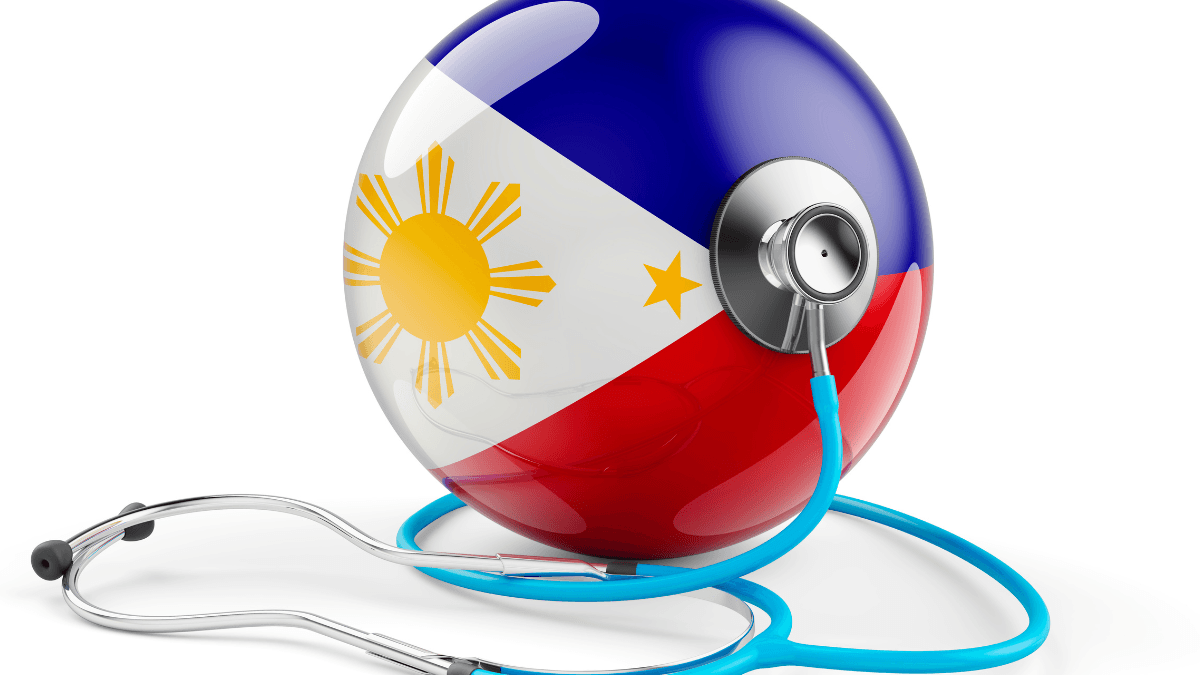
MBBS in Philippines means pursuing a Doctor of Medicine (MD) degree through a BS-MD structure at a Philippine medical school, typically over 5.5 to 6 years including a pre-medical stage, MD curriculum, clerkship and internship. The Philippines is not one of the 9 EU countries futureMBBS places students into, so this guide covers MBBS in Philippines honestly, on recognition status, degree type, and FMGE outcomes across specific schools, rather than presenting it as a service we offer.
Key Takeaways
MBBS in Philippines is actually a Doctor of Medicine (MD) programme built on a BS-MD structure, not a degree literally titled MBBS, spread across roughly 40 medical schools of hugely varying quality and outcomes.
The Philippines sits outside futureMBBS's 9 EU partner countries (Czech Republic, Hungary, Slovakia, Poland, Croatia, Latvia, Lithuania, Cyprus, Romania); this article is informational, not a placement offer.
The Philippines' overall FMGE pass rate has been reported in the roughly 18-24% range in recent cycles, with individual schools ranging from under 15% to around 75%; national FMGE pass rates also fell sharply in 2026, from 25.40% in January to 12.77% in June, per NBE.
A pending Philippine law, House Bill 10145 (the proposed New Philippine Medical Act), would let foreign MD graduates register to practise in the Philippines directly; it passed the House of Representatives 184-3 in December 2024 but as of 2026 still needs Senate approval and presidential signature before taking effect.
Recognition is decided school-by-school through the World Directory of Medical Schools (WDOMS), not by a blanket "Philippines is NMC-approved" claim; NEET UG 2026 saw roughly 11.21 lakh of about 20.97 lakh candidates qualify nationally, and that competitive pressure is a large part of why Indian students look abroad in the first place.
What Is MBBS in Philippines, Really?
"MBBS in Philippines" is the search phrase Indian students use, but no Philippine medical school actually awards a degree literally titled MBBS. Instead, students complete a BS-MD structure: typically a 1-to-2-year pre-medical Bachelor of Science stage (often waived for students who already hold PCB in Class 12), followed by a 4-year Doctor of Medicine curriculum, then a clerkship and a mandatory one-year internship, for a total of roughly 5.5 to 6 years. Around 40 medical schools across the country offer this pathway, including institutions we cover in detail such as AMA School of Medicine, Davao Medical School Foundation, Bicol Christian College of Medicine, Brokenshire College School of Medicine and Emilio Aguinaldo College.
With NEET UG 2026 seeing only about 11.21 lakh of roughly 20.97 lakh candidates qualify, and Indian government MBBS seats numbering far fewer than that, a large pool of qualified students each year still cannot secure a domestic seat. That gap, combined with the Philippines' comparatively low tuition and English-medium instruction, is the real reason "MBBS in Philippines" remains a heavily searched term, not because every school there offers equivalent recognition or outcomes.
Is MBBS in Philippines Recognised by NMC and WDOMS?
Recognition for any foreign medical degree is decided institution-by-institution, not country-by-country: a specific school must appear on the World Directory of Medical Schools (WDOMS), maintained jointly by the World Federation for Medical Education (WFME) and FAIMER, for its graduates to even be eligible to sit India's FMGE screening test. Treating "the Philippines" as a single recognised bloc is a mistake; some schools are current, verifiable WDOMS entries and others are not, so always confirm the specific college at wdoms.org rather than relying on a consultancy's blanket claim.
Many consultancy pages also describe Philippine medical schools as "WHO approved." That framing is outdated across the board: the World Health Organization does not operate a medical-school directory or approval process itself. The operative authority is WFME/FAIMER's WDOMS, and it is that listing, not a WHO stamp, that NMC's Foreign Medical Graduate Licentiate (FMGL) Regulations, 2021 actually require.
Does futureMBBS Place Students for MBBS in Philippines?
No. futureMBBS's placement network is limited to 9 EU countries, Czech Republic, Hungary, Slovakia, Poland, Croatia, Latvia, Lithuania, Cyprus and Romania, across 22 partner universities, and the Philippines is not among them. We do not provide admission support, on-the-ground assistance, or vetted placement at any Philippine medical school.
This guide exists because search demand for MBBS in Philippines is real and several Philippine schools are legitimate, functioning institutions, not because we are recommending the country as a whole. If you are weighing the Philippines against an EU option, see how the same recognition and outcome questions play out for an EU partner university in our MBBS abroad guide.
What Degree Do Students Actually Receive, and Does House Bill 10145 Change Anything?
Students completing MBBS in Philippines are awarded a Doctor of Medicine (MD) degree, not a degree literally titled "MBBS," after the pre-medical, MD-curriculum, clerkship and internship stages. Under NMC's FMGL 2021 regulations, this is treated as an MBBS-equivalent primary medical qualification only if the specific school's course runs at least 54 months plus a 12-month internship at the same institution, is taught fully in English, and the school remains listed on WDOMS at the time of graduation. That is a per-school test, not an automatic country-wide pass.
Separately, a Philippine legislative change is worth tracking regardless of NMC's own rules: House Bill 10145, the proposed New Philippine Medical Act, would allow foreign MD graduates, including Indians, to register to practise medicine in the Philippines itself once it becomes law. It passed the House of Representatives by a 184-3 vote in December 2024, but as of 2026 it still requires Senate concurrence and the President's signature, so it has not yet taken effect and should not be treated as current law when planning a career path.
How Do FMGE Outcomes Compare Across Philippine Medical Schools?
This is the single most important, and most inconsistently reported, question about MBBS in Philippines. There is no one "Philippines FMGE pass rate": individual schools vary enormously, and treating a national average as any specific school's outcome is a common and costly mistake. Recent aggregator reporting places the Philippines' country-wide pass rate in roughly the 18-24% range across more than 13,000 candidates in the 2024 cycle, but that masks huge swings between institutions. Nationally, FMGE pass rates have also fallen sharply across all foreign-graduate cohorts in 2026: NBE reported a 25.40% pass rate in the January 2026 cycle, dropping to 12.77% in the June 2026 cycle.
School (Philippines) | Approx. reported FMGE pass rate |
|---|---|
Davao Medical School Foundation | ~75% among first-time candidates, June 2026 cycle |
Manila Central University | ~56% |
Southwestern University School of Medicine | ~41% |
Emilio Aguinaldo College | ~28-29% (aggregator-reported, not independently verified) |
Country-wide average (2024 cycle, aggregator reporting) | ~18-24% |
Only five countries carry an FMGE exemption for Indian medical graduates in the first place: the United States, United Kingdom, Canada, Australia and New Zealand, and only once local licensing is also completed there. The Philippines is not on that list, so every graduate, regardless of which specific school they attended, must sit and clear FMGE to practise in India. For a fuller explanation of how the exam works, see our detailed guide to the FMGE exam.
What Should You Check Before Considering MBBS in Philippines?
If you are still weighing a specific Philippine medical school, work through the same checklist futureMBBS uses internally before evaluating any non-partner university.
Confirm that specific school's current listing at wdoms.org rather than trusting a consultancy's blanket "Philippines is recognised" claim.
Verify the exact degree title awarded (Doctor of Medicine vs a course literally named MBBS) and confirm it meets FMGL 2021's 54-month-plus-internship, English-medium criteria for that specific school.
Request the school's own FMGE pass-rate data for the last 2-3 sessions, not a Philippines-wide average, since outcomes range from under 15% to around 75% depending on the institution.
Track House Bill 10145's status directly rather than assuming it is already law; it still needs Senate approval and presidential signature as of 2026.
Obtain your NMC Eligibility Certificate before enrolling anywhere abroad, a requirement for every Indian student pursuing a foreign medical degree, regardless of country.
Why Do futureMBBS's 9 EU Countries Make a Stronger Alternative?
For students who want an English-medium MBBS-equivalent degree with an active, vetted support pathway, futureMBBS's 9 EU countries, rather than the Philippines, are what we actively place students into. Every partner university sits inside an EU member state, meaning oversight runs through that country's own higher-education and medical-accreditation authorities rather than resting solely on a school-by-school WDOMS listing that varies enormously in FMGE outcomes. For a look at how that plays out for Indian applicants, see our guides to studying MBBS in Hungary and studying MBBS in Romania, read our detailed comparison of MBBS in the Philippines vs a European medical school, or explore our full MBBS abroad guide covering all 9 of our partner countries.
Related Topics
- MBBS in Philippines
- MBBS in Philippines for Indian students
- NMC recognition
- FMGE
- futureMBBS
Related Articles
 Countries4 Aug 20265 min read
MBBS in Antigua: Universities, Fees, Eligibility (2026)
MBBS in Antigua explained: accreditation status of AUA, UHSA and MUCM, fees, NEET rules, admission steps and how it compares to studying medicine in Europe.
 Countries4 Aug 20267 min read
MBBS in Barbados for Indian Students: Full 2026 Guide
MBBS in Barbados for Indian students: which schools actually award MBBS vs MD, CAAM-HP accreditation, real fees and NEET/FMGE rules, with official sources.
 Countries4 Aug 20266 min read
Living Expenses in France for International Students (2026)
Living expenses in France for international students: real 2026 tuition fees, visa funds requirement, rent, food, and work-hour rules, with official sources.