Countries
MBBS in Canada for Indian Students: Real 2026 Guide
3 Aug 2026
6 min read
MBBS in Canada for Indian students: verified seat numbers, real FMGE exemption rules, and why most Canadian medical schools reject international applicants.

Is MBBS in Canada Realistic for Indian Students?
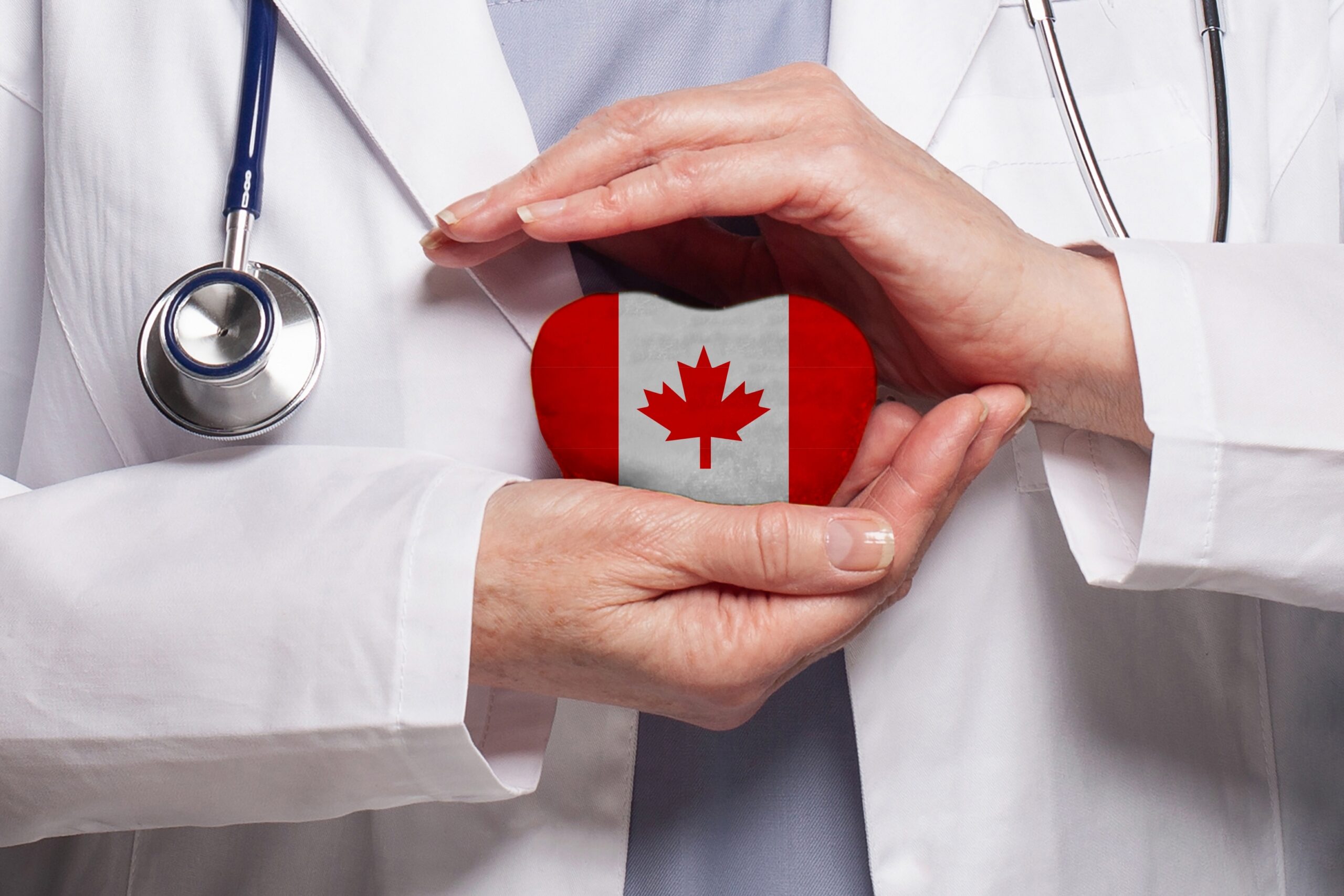
MBBS in Canada is not a direct-entry program the way it is in India or Europe; Canada grants a 4-year MD after a prior bachelor's degree, and only a small number of schools admit international applicants at all. McGill University, for example, listed just one seat for international undergraduate-entry applicants for its Fall 2026 intake, per its own admissions office.
That single detail changes the whole calculation for Indian families. Before comparing tuition or curriculum, the real first question is whether an international seat exists at all, and at how few schools.
Key Takeaways
Canada issues a 4-year MD, not a direct-entry MBBS; applicants need a completed bachelor's degree first, plus the MCAT and IELTS/TOEFL.
Ontario, home to six medical schools including Toronto and McMaster, is reserving 95% of seats for Ontario residents starting with the Fall 2026 intake, effectively closing the province to new international applicants.
Only a handful of schools nationwide (McGill, University of Alberta, University of Montreal among them) still admit international students, often with single-digit seat counts.
The FMGE/screening-test exemption is not automatic for MBBS-equivalent graduates: the NMC requires both an undergraduate AND a postgraduate medical qualification from Canada, the US, the UK, Australia, or New Zealand, plus recognition as a practitioner there.
International tuition at Canadian medical schools that do admit foreign students runs above CAD 90,000 a year, before living costs.
Why Are Canadian Medical Schools So Hard to Enter as an International Student?
Canada's provinces fund medical school seats primarily to address domestic physician shortages, so most schools reserve the overwhelming majority of places for citizens and permanent residents. Ontario's move to reserve 95% of seats for provincial residents starting Fall 2026 formalizes what was already close to reality: provincial data showed international students made up roughly 0.26% of Ontario medical enrollment even before the policy change, based on multiple independent reports of the province's own enrollment figures.
Outside Ontario, a few schools still keep a narrow international stream open. McGill University's MDCM program, University of Alberta, and University of Montreal are the most commonly cited options, but each admits only a handful of international students per year, and French proficiency is required at several of them.
What Does an MD Program in Canada Actually Involve?
Since Canada requires a completed bachelor's degree before medical school, the total timeline runs longer than a typical MBBS abroad.
Complete 12th grade with strong marks in Physics, Chemistry, and Biology, and clear NEET (mandatory under Indian law for any medical degree pursued abroad).
Complete a 3-4 year bachelor's degree, usually in a life-sciences subject.
Clear the MCAT (Medical College Admission Test); some schools, including McGill, do not require it.
Apply to one of the small number of schools with an international admission stream, with IELTS or TOEFL scores.
Complete the 4-year MD, split roughly evenly between pre-clinical coursework and clinical rotations.
Pass the Medical Council of Canada Qualifying Exam and complete residency (2 to 7 years, depending on specialty) to practice in Canada.
What Does MBBS in Canada Cost?
International tuition at the Canadian schools that admit foreign applicants is among the highest of any English-taught medical program worldwide.
Cost component | Approximate range |
|---|---|
International MD tuition (per year) | CAD 90,000-97,000+ |
Full 4-year MD tuition | CAD 360,000-390,000+ |
Health insurance (mandatory, per year) | CAD 600-1,000 |
Housing (per month) | CAD 500-1,500 |
Food (per month) | CAD 300-600 |
Does MBBS in Canada Really Skip the FMGE?
This is the most misunderstood claim about studying medicine in Canada. The National Medical Commission's own guidance states that the screening test exemption applies only to a person who holds an undergraduate medical qualification from Australia, Canada, New Zealand, the UK, or the US, and has also been awarded a postgraduate medical qualification in one of those same five countries, and is recognized to practice there.
In practice, that means completing only the 4-year MD in Canada does not by itself exempt a graduate from India's FMGE or its successor, NExT. The exemption is designed for doctors who complete both their MD and their residency (a postgraduate qualification) in one of the five listed countries and then choose to return to India, not for students who study only the primary degree there.
Is Canada the Right MBBS-Abroad Destination for You?
For most Indian students planning to practice in India, Canada's combination of near-zero international seats, a longer pre-med-plus-MD timeline, and a residency-dependent FMGE exemption makes it one of the harder paths to plan around. It can make sense for a small number of applicants with strong MCAT scores competing for a handful of seats and a long-term goal of practicing in North America.
Students who want a shorter, direct-entry medical degree with clearer admission criteria and a defined path back to Indian licensing should compare Canada against our guide to studying MBBS in Europe, which covers the nine EU countries and 22 partner universities futureMBBS currently places students into.
Related Topics
- mbbs in canada
- mbbs course in canada
- mbbs fees in canada
- fmge exemption
Related Articles
 Countries4 Aug 20265 min read
MBBS in Antigua: Universities, Fees, Eligibility (2026)
MBBS in Antigua explained: accreditation status of AUA, UHSA and MUCM, fees, NEET rules, admission steps and how it compares to studying medicine in Europe.
 Countries4 Aug 20267 min read
MBBS in Barbados for Indian Students: Full 2026 Guide
MBBS in Barbados for Indian students: which schools actually award MBBS vs MD, CAAM-HP accreditation, real fees and NEET/FMGE rules, with official sources.
 Countries4 Aug 20266 min read
Living Expenses in France for International Students (2026)
Living expenses in France for international students: real 2026 tuition fees, visa funds requirement, rent, food, and work-hour rules, with official sources.